Waitlist Verified
Photo: ATR
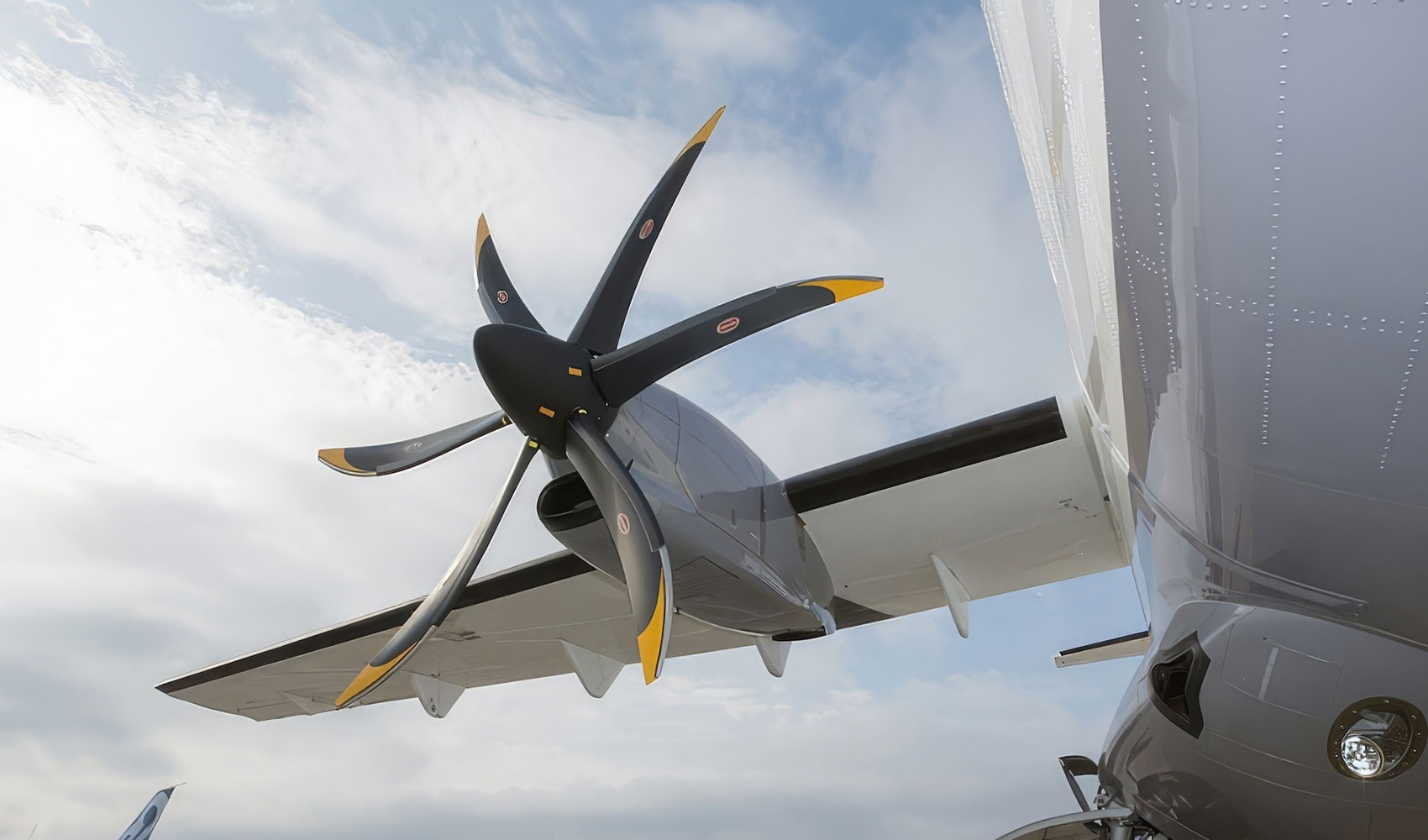
Propeller blades
ATR propeller blades
Six ATR blades placed with airlines and maintenance shops. Fixed 8.2% a year, paid twice. Capital is due back within one year.
0% of $480,000 · 1 year
Projected return
8.2%
 See the investments →
 Vetted by industry insiders
A smarter, easier way in — from drones to helicopters and flying cars. Open a live investment, read who operates it and what it pays, then leave your details.
Photo: ATR
Propeller blades
Six ATR blades placed with airlines and maintenance shops. Fixed 8.2% a year, paid twice. Capital is due back within one year.
0% of $480,000 · 1 year
Projected return
8.2%
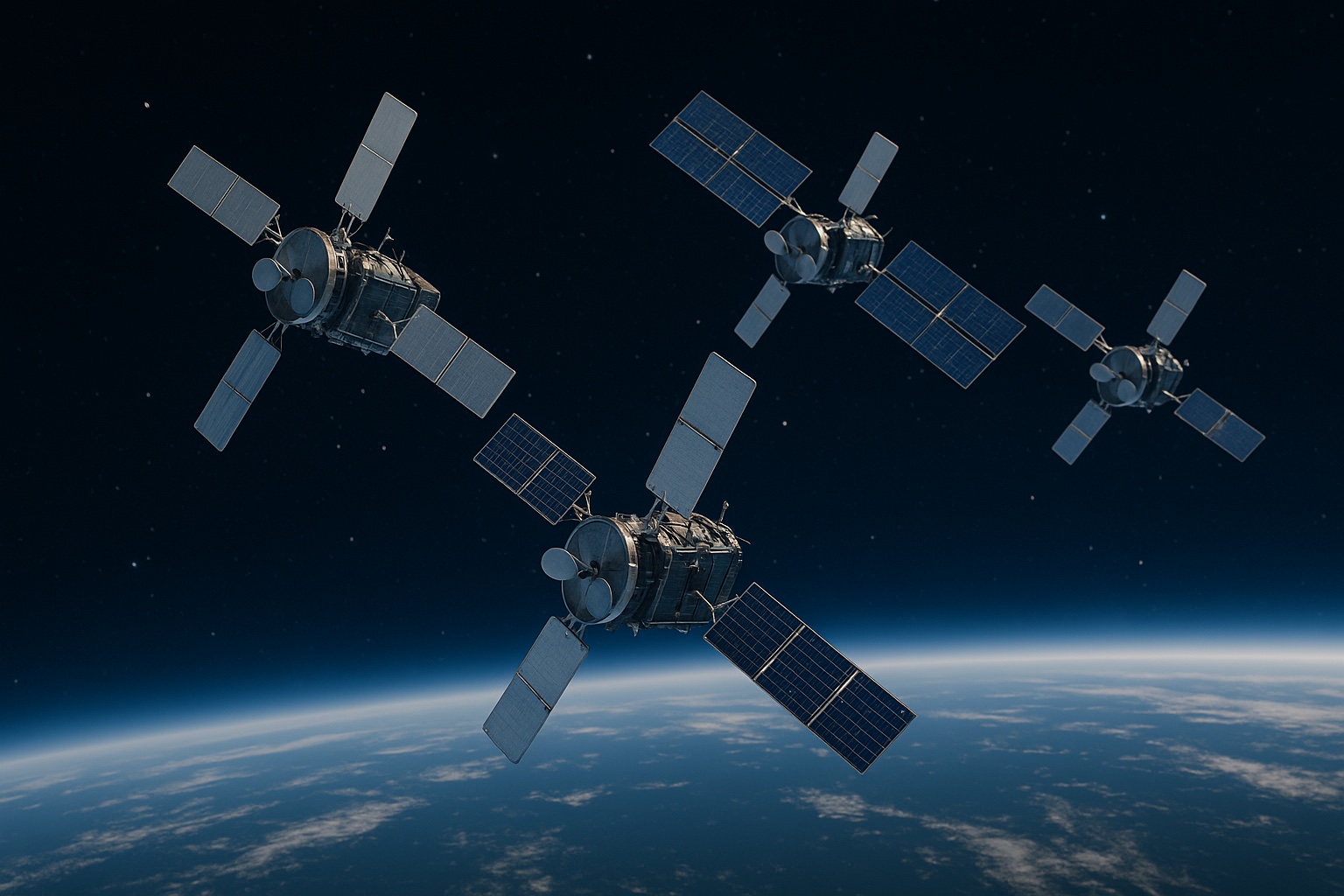
Satellites
IoT connectivity from a nanosatellite constellation in orbit. Equity rights to operating revenues from those sales. Assets held in an SPV.
Return, horizon and raise size to be confirmed.
Projected return
TBC
Opening soon
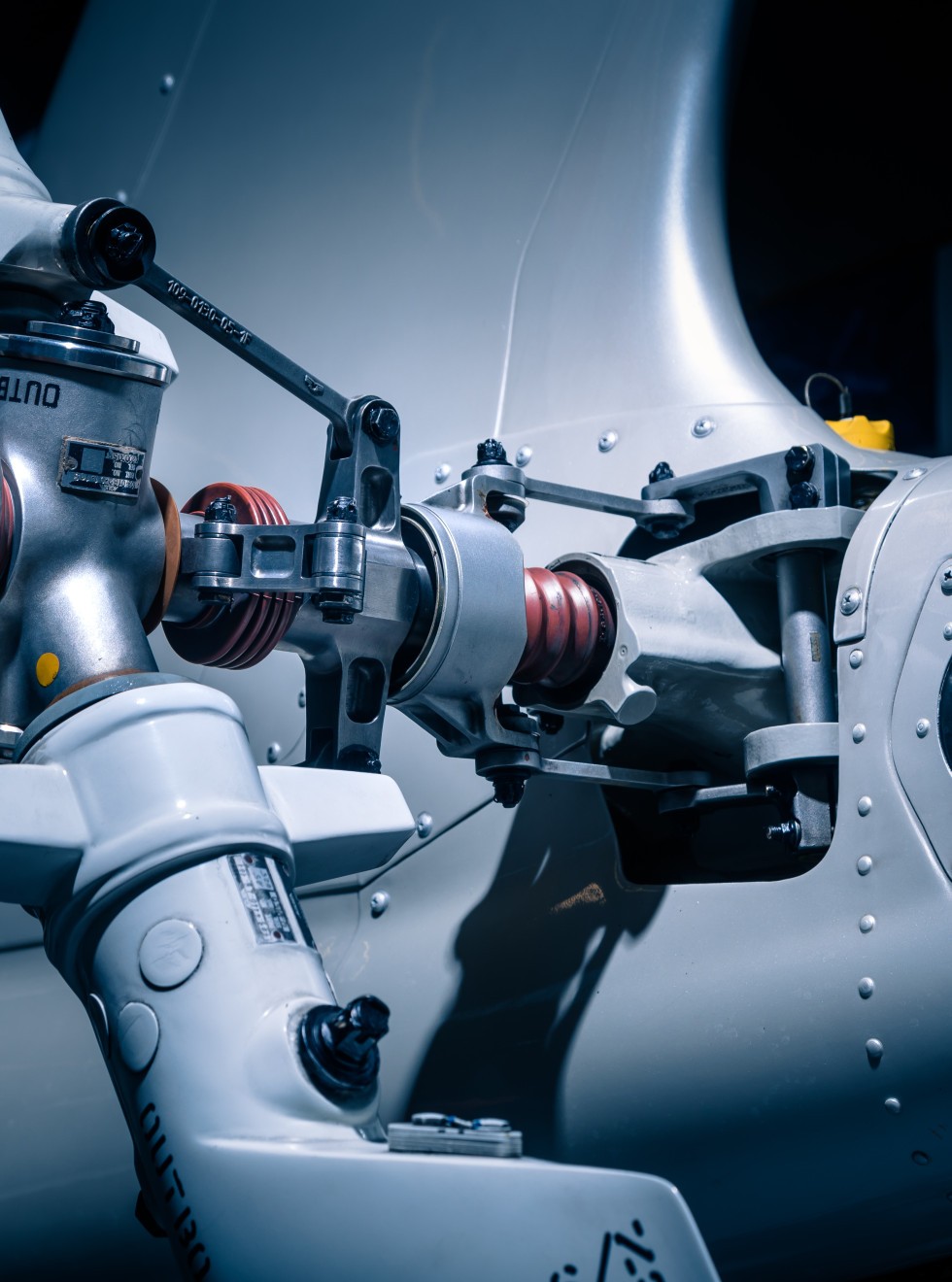
Helicopter spare parts
Three helicopter spare parts held in an SPV. Fixed yields until principal plus margin is repaid. Capital funds Swiss charter expansion.
Return, horizon and raise size to be confirmed.
Projected return
TBC
Opening soon
Next off the line
Leave your email and we will write when a new deal is published. No account, no payment.
The global aerospace industry is projected to reach $1.8 trillion by 2035 (McKinsey, January 2025). AstroFinance lowers the capital required to take part. Instead of millions for a full aircraft or satellite, you start with a token for a smaller amount, and you can spread that across more than one asset. An industry once reserved for large institutions becomes something you can actually enter.
This is not a share in Dassault, Airbus, or Boeing. You open one investment, see what it is expected to pay, and leave your details if you want to be considered.
What is AstroFinance? sets out the SPV, the vetting, and how a token is tied to revenue.
Each listing is one pool of aerospace equipment. You read that deal, not a blended portfolio.
Return, how long it runs, who operates it, and what changes if a customer stops paying.
You say how much you expect to put in. The operator keeps the asset in service.
Name, contact and experience are collected on the investment itself. Nothing is charged when you submit.
Incubated in Geneva
AstroFinance is incubated by FONGIT, the Geneva foundation for technology innovation.

Founder from the industry
Alexis Grabar spent a decade at Airbus Helicopters and Airbus commercial aircraft before founding AstroFinance.

Fellow, Royal Aeronautical Society
The founder is a Fellow of the Royal Aeronautical Society, the professional body for aerospace.
Web3 Masterclass
Algorand Foundation Web3 Masterclass Pitch Competition / Web3 Masterclass, ranked #1 out of 120 projects.
For manufacturers and operators
AstroFinance lists civilian aerospace that can pay investors: a lease, mission fees, or a fixed schedule. Operators keep the asset in service. Investors see the terms on one page and onboard there. The first conversations are with companies in Switzerland and the United Kingdom. Weapons and assets tied to armed conflict are not listed.
Engines, spare parts, helicopters, drones, aircraft and satellites that already have a customer or a contract.
The return, the horizon, who operates the asset, and what happens if a customer stops paying.
A 30-minute call. Bring the asset, where it operates, and how cash comes back.
“Until now, the only way to access this market was to buy an ETF of Dassault, Airbus, or Boeing.”
The legal rights to a real asset — a jet, a helicopter, a set of parts — are split so they can be bought, sold, or traded. High-value aerospace assets become more accessible, more liquid, and divisible. The first offerings are aimed at accredited investors. Over time, the aim is to open this to a wider public, including smaller tickets.
A blockchain is a shared ledger. Once a transaction is confirmed, it cannot be quietly rewritten. AstroFinance uses it to record tokenised aerospace assets and to make ownership and transfers transparent.
The first offerings are for accredited high-net-worth individuals, family offices, wealth managers, and investors already comfortable with tokens. Broader access, including smaller tickets, is planned later.
The aim is a mix of secure methods: wires, cards, and selected cryptocurrencies, subject to legal and technical limits.
AstroFinance is working with legal advisers and regulators in the United Kingdom and Switzerland. In the UK, that means the Financial Conduct Authority’s approach to tokens and digital assets. In Switzerland, it means the FINMA framework.
Protection starts with the asset. Each one sits in its own special purpose vehicle. Partners and listings are checked for maintenance records, ownership, and insurance. The blockchain keeps a record of who holds what, and investors are updated on performance, usage, and events that could affect value.
No. AstroFinance is limited to civilian and dual-use aerospace. It does not tokenise, invest in, or promote weapons, defence technology, or assets tied to armed conflict or surveillance misuse.
Revolutionising aerospace financing with tokenisation. Leave your email and we will send the current version.
What’s inside the paper →